
Demystifying Yoga: Simple, welcoming, and made for real life
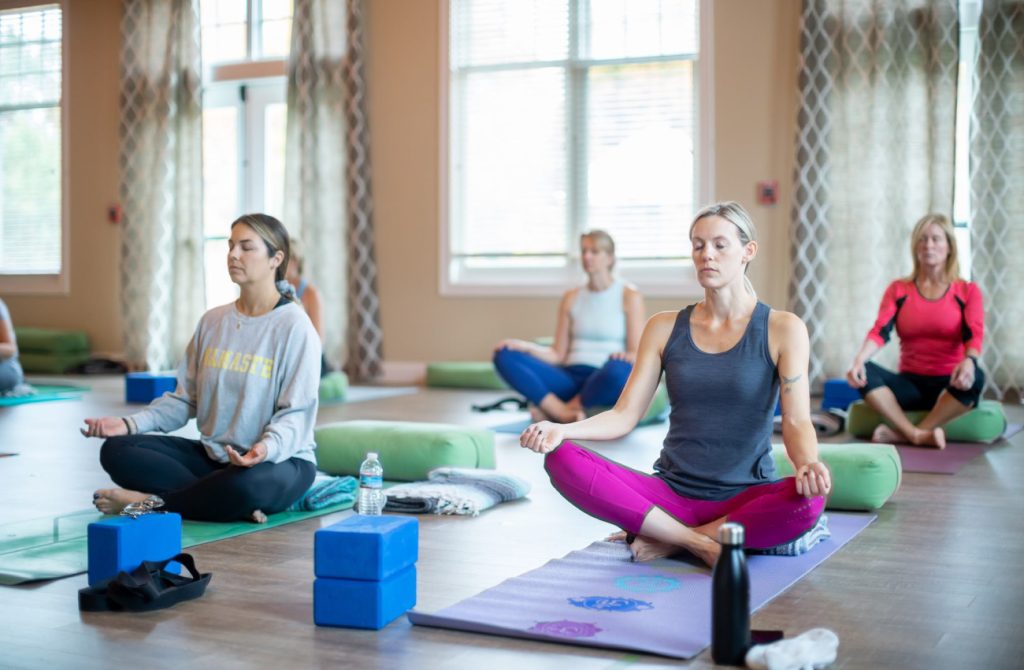
Yoga isn’t a club you join after you get flexible. It’s a practice you do to feel well—one breath, one pose, one day at a time. Think of it as part of a holistic approach to health: movement, breath, rest, and attention working together alongside natural wellness habits like eating healthy, sleep, and stress care. That’s lifestyle medicine in action.
What yoga is (and isn’t)
• It’s not about extreme flexibility. It’s about range you can use in daily life.
• It’s not a performance. It’s a nervous-system reset—steady breath, calmer mind, stronger body.
• It’s not “one style fits all.” Yoga and fitness can be gentle, strengthening, flowing, or restorative.
Ellery, Release Yoga Instructor: “Start exactly where you are. Attune to your breath. Yoga meets you at your capacity today, then quietly widens it tomorrow.”
Common myths—cleared up
Myth: “I need to be flexible first.”
Truth: Flexibility is a result, not a prerequisite. Props (blocks, straps, bolsters) bring the floor to you.
Myth: “Yoga won’t make me stronger.”
Truth: Try slow holds, lunges, planks, and balance work—excellent for core, hips, and bone density.
Myth: “If I can’t do vinyasa, I can’t do yoga.”
Truth: Chair, gentle, yin, and restorative formats are powerful, especially for stress and better sleep.
Eileen, Release Yoga Instructor: “In my classes the pose is not the goal. The real goal is to rediscover your true self through attention to breath and body.”
A simple starter plan
• 2 classes a week: one gentle or restorative, one strength or slow flow
• 5-minute home ritual: three deep breaths, cat–cow, a forward fold, and a wall or chair stretch
• Recovery: short walks, hydration, and unbusy time after class
Finding the right class
Search “yoga near me” and look for clear descriptions: beginner, gentle, restorative, slow flow, or strength-focused. Ask about pacing, music volume, and prop use. If you’re managing pain, pregnancy, or post-surgery recovery, talk with the teacher before class.
Yoga in a holistic care toolkit
Yoga pairs well with massage therapy for muscle recovery and sleep, wellness coaching for accountability, and mindful skincare rituals like a hydrating facial when you want a quiet, soothing reset. Thermal relaxation—think a mineral spa soak or quiet time in a Himalayan Salt Room—can help downshift stress and enhance detox benefits through natural circulation and breath. Together, these create a practical, natural wellness rhythm.
Seasonal note
October highlights Breast Cancer Awareness. Gentle movement, breathwork, and restorative practices can support people navigating treatment or recovery—always check with your medical team and choose formats that honor your energy.
Beginner FAQ
• What if I have tight hamstrings or a sensitive back?
Use blocks under hands and a strap around your feet; bend your knees in folds; keep movements small and pain-free.
• What if I feel anxious?
Sit near an exit, start with slower classes, and let your teacher know you may step out for fresh air.
• How do I know it’s working?
You’ll notice better sleep, steadier mood, and more ease in daily movement long before a “perfect” pose.
Takeaway
You don’t need special gear, a special body, or a special schedule to begin—just a willingness to notice your breath and move with curiosity. Start small, stay kind to your body, and let consistency (not intensity) do the work. Yoga is simply practice, and practice changes everything.